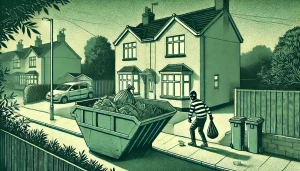
Alright, picture this: you’ve just finished a DIY project. Maybe you finally ripped out that old bathroom or decided to go all-in on a garden overhaul. Now, you’re standing in a pile of broken tiles, a bit of plasterboard, and maybe even some rogue fence panels. What do you do with it all?
A little voice in your head whispers, “It’s fine, just pop some in the regular bin. No one will notice!”
But here’s the deal—while the thought might have crossed your mind (because, well, it’s there), putting construction waste in your household bin is a fast track to a whole lot of trouble. And trust me, councils are way less forgiving than you think when it comes to sneaking a few bricks or a busted toilet into your weekly collection.
Let’s break down why this is a terrible idea, how you actually need to deal with that DIY mess, and why skip hire might just become your new best friend.
What Even Is Construction Waste? (Spoiler: It’s More Than You Think)
First off, let’s clear up what we’re talking about. You’re probably thinking, “Okay, construction waste—that’s the big stuff, right? Like if I tear down a whole wall or something.” And yeah, that’s true. But it’s also much more. Here’s what councils count as construction or DIY waste, and yep, it’s way more than just rubble:
- Bricks, rocks, stones, cement, and concrete (a.k.a. the heavy stuff that definitely won’t fit in your bin).
- Construction wood (think old kitchen cabinets, wardrobes, sheds, fence panels—basically, anything wooden you’ve pulled apart).
- Garden stones and paving, plus any concrete posts or sheds you’ve demolished.
- Tiles and ceramics (yes, that busted sink, toilet, and shower tray from your bathroom redo all count).
- Earth and soil (even that pile of turf you’ve ripped up to finally lay some new grass).
- Plasterboard and partitions (a.k.a. the stuff that falls apart in your hands as soon as you try to move it).
This list isn’t even everything, but you get the idea. Even if you’re doing something as small as refreshing your garden or replacing some tiles, boom—you’re in construction waste territory.
Why You Shouldn’t Even Think About Using Your Regular Bin
Okay, so now you know what qualifies as construction waste. But maybe you’re still thinking, “Surely my council won’t care if I sneak in a little bit here and there, right?” Wrong. They will care. A lot. Here’s why:
1. Your Bin Can’t Handle It
Imagine trying to jam a bunch of bricks, a kitchen cupboard door, and some smashed-up tiles into your regular bin. Yeah… it’s not going to work. Even if you manage to fit some of it in there, bins aren’t designed to carry the weight of concrete slabs or chunks of plasterboard. The poor bin might end up crushed or damaged. The bin collection crew will not be happy—and that’s assuming they even empty your bin in the first place.
2. Council Rules are Pretty Unforgiving
Councils have very clear rules about what can and cannot go into your regular household bin, and spoiler: construction waste is a big no-no. If they catch you trying to sneak it in, you could face some pretty hefty consequences, like fines or simply having your rubbish left behind. Not a fun surprise when the bin men bypass your bin because they noticed a few bits of rubble sticking out from under the pizza boxes.
3. Environmental Issues
Here’s where it gets serious. Some of this stuff—like plasterboard—can release harmful chemicals when it’s dumped improperly. Other materials, like tiles or bricks, take forever to break down in a landfill. Councils have a whole system for dealing with construction waste that doesn’t involve it piling up in regular landfill sites, and when you don’t play by the rules, that system falls apart.
So, What About the Tip? That’s Easy, Right?
Okay, so maybe you’re thinking, “Fine, I won’t use the bin. I’ll just load it all up in the car and head to the local recycling centre. Easy!”
Yeah, nope. Not so fast.
1. There Are Limits (And Fees)
Turns out, even recycling centres have pretty strict rules about construction waste. Most centres have limits on how much rubble or soil you can drop off—some cap it at just a couple of bags per visit. And if you’ve got more than that? You’ll either be turned away or hit with extra fees.
Not to mention, you’ll likely be paying extra for materials like:
- Bricks, stones, cement, and rubble
- Garden paving and concrete posts
- Tiles and ceramics (yep, sinks and toilets included)
- Plasterboard and partitions
So even if you try to game the system by making multiple trips, that’s a lot of back-and-forth, fuel costs, and potential damage to your car (because who hasn’t regretted throwing a pile of bricks in the back of their hatchback?).
2. It’s a Pain (Literally)
Let’s be real—no one enjoys hauling bags of rubble or chunks of concrete into their car. And let’s not even talk about what all that heavy lifting does to your back. By the time you’ve made three or four tip runs, you’ll be wishing you had just dealt with it all in one go. Which brings us to the hero of our story…
The Stress-Free Solution: Hire a Skip
Enter: the skip. Skip hire is literally designed for situations like this. You’ve got construction waste? No problem. It’s big, it’s bulky, it’s made of random chunks of wood and plasterboard? No sweat. We’ve got you covered.
Here’s why skip hire beats both the regular bin and your local tip:
1. It’s Convenient
You get a skip delivered right to your door. You fill it at your own pace, with whatever construction waste you’ve got. We come back, haul it away, and sort everything properly. Done. No council fines, no tip limits, no loading your car with piles of bricks. Just a skip and a clean slate.
2. No Weight or Material Limits
Unlike your household bin (and often the tip), skips are designed for construction waste. We’ll take it all—bricks, rubble, tiles, garden paving, soil, you name it. No limits, no sneaky charges, just straightforward waste disposal.
3. It’s Better for the Environment
At GoSkip, we don’t just dump everything into a landfill. We sort, recycle, and responsibly dispose of your waste. So, you can rest easy knowing that your DIY project isn’t contributing to some massive landfill problem.
4. Mini Skips for Small Jobs
Think a full-size skip might be overkill? Mini skips are perfect for smaller DIY projects or garden clean-ups. They’re just the right size to handle a couple of bags of rubble, without needing to make endless trips to the tip.
The Bottom Line: Skip the Headache—Hire a Skip
So, let’s recap: Can construction waste go in regular bins? Nope. Even if it’s just a little bit, it’s against council rules, bad for the environment, and could land you with fines or worse. And taking it all to the tip? It’s not as easy as you think, with limits, fees, and all the heavy lifting.
The easiest, most hassle-free way to get rid of your DIY waste? Hire a skip. At GoSkip, we make it simple—just pick your skip size, have it delivered, and let us do the hard part. No tip runs, no back pain, no fines—just a clean, easy solution.
Ready to make your construction waste disappear? Order your skip from GoSkip today and get back to enjoying your finished project. Click here to book your skip now.