Let’s face it—waste is a problem as old as time.
Ever since the first human realised they had more stuff than they could use, there’s been a question looming: “What do I do with all this junk?”
Sure, we’ve come a long way from chucking bones and broken pottery into the nearest ditch, but the journey of managing waste has been fascinatingly weird, and skip hire plays a massive role in how we handle it today.
So, how did we go from wheelbarrows and horse carts to those convenient, hulking steel bins we call skips? Buckle up, because we’re about to dive into the strange and surprisingly interesting history of skip hire.
Ancient Waste Disposal: The Original ‘Skip Hire’
The first forms of waste management were about as low-tech as you’d expect: early humans pretty much threw their rubbish anywhere it wasn’t in the way. As societies grew, so did the waste. Ancient civilisations like Rome and Greece started thinking a bit more about where to toss their trash. The Romans, for example, built the first drainage systems and created designated dumping grounds for household waste. Imagine a pre-industrial landfill—but with togas.
Fast-forward to the Middle Ages, and things were messier. Streets were often filled with rubbish, and the concept of organised waste removal wasn’t exactly on people’s minds. Instead, most folks relied on “rakers”—people paid to sweep up the waste and cart it out of town, often in literal horse-drawn carts. You could say these were the first skips on wheels, but, let’s be honest, it wasn’t a smooth operation.
The Industrial Revolution: Where We Started Piling Up Trash (A Lot of It)
Once the Industrial Revolution kicked in, cities were no longer just bursting at the seams—they were drowning in rubbish. We’re talking mountains of waste. Factories, coal mines, and urban sprawl were cranking out debris faster than anyone could deal with it.
People started getting organised. Local councils set up waste collection services, and streets filled with horse-drawn carts hauling all that trash off to… somewhere. These carts were kind of like the great-great-grandfathers of modern skips. Big containers of waste on wheels, loaded up, emptied, and sent back out to collect even more. Sure, they didn’t have hydraulic arms or sleek steel edges, but the idea of hauling away heaps of garbage in one go was there.
But something was missing. The real problem? Time. Workers had to load the waste bit by bit onto trucks, which meant long waits and inefficiency. Enter the 20th century, where everyone started realising, “Maybe there’s a faster way to deal with all this junk.”
1922: The Pagefield System—A Motorised Leap Forward
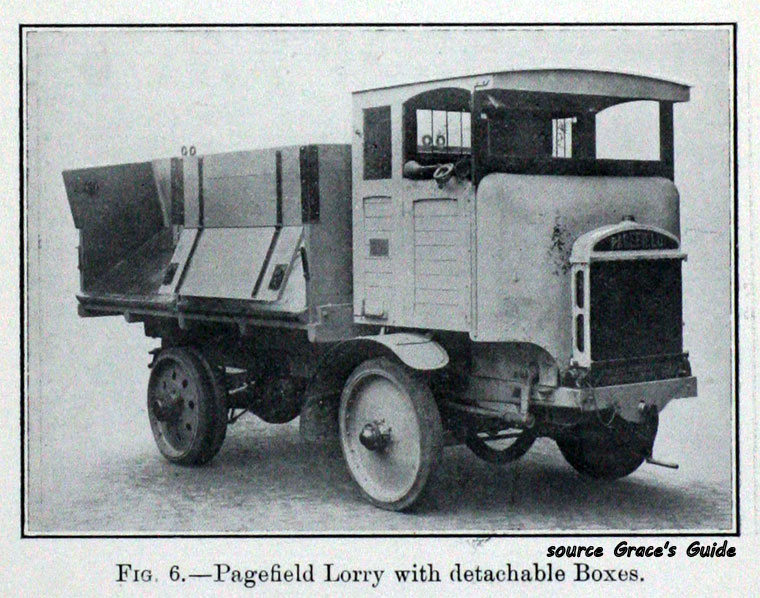
Horse-drawn carts were great for short trips around town, but as cities expanded, those horses weren’t cutting it anymore. Enter Edwin Walker and the Pagefield System of 1922—think of it as the first big leap toward modern skips, but with an early 20th-century twist. Walker and Southport’s borough engineer had an idea: Why not load massive 300-cubic-foot containers onto motorised lorries? Instead of horses dragging trash forever, these containers could be winched onto trucks and driven to the dump faster than you could say, “Let’s leave the horses behind.”
Skips Get a Boost from America: The Dempster Dumpster and Hydraulic Brilliance
Meanwhile, across the pond in the U.S., two brothers named Dempster were basically the Steve Jobs of waste management—except instead of revolutionising phones, they were revolutionising rubbish. In 1937, they unveiled their masterpiece: the Dempster Dumpster. This was the first system where large metal containers could be lifted and emptied mechanically into trucks. No more backbreaking labour, no more shovelling one piece of junk at a time. The hydraulic arms of the Dempster Dumpster did all the heavy lifting, swinging these giant containers up and over to dump their contents into the truck like it was no big deal.
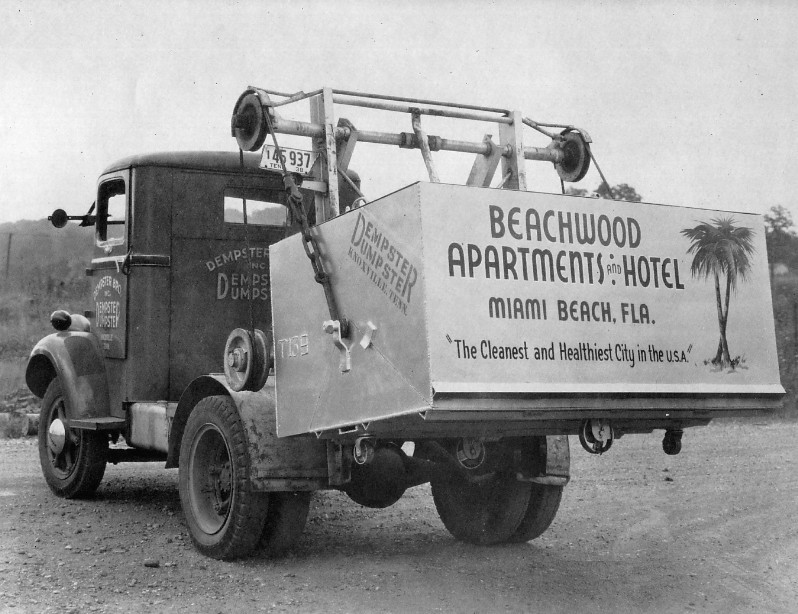
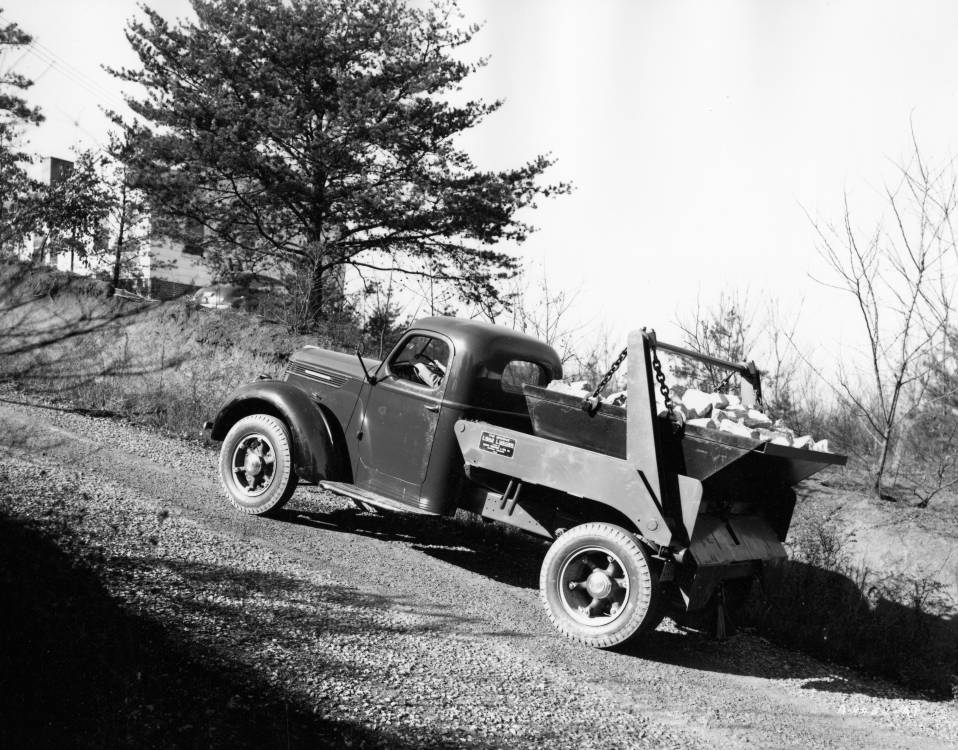
It was a game-changer. The Dempster brothers didn’t just design a piece of equipment—they changed how the world thinks about waste. By the time the 1940s rolled around, other companies like the Brooks brothers were catching on, refining the design with systems like the Load Lugger, which added the near-identical hydraulic lifts we still use in skip hire trucks today. The legacy of the Dempster Dumpster wasn’t just a fleeting innovation—it became the foundation of the entire modern skip hire industry. Think of it as the iPhone of rubbish removal: once it was out there, nothing else came close.
Post-War Europe: Skips Go International
Now back to Europe, where rubble and waste were suddenly everywhere after WWII. Countries were in a mess, cities in ruins, debris everywhere. It was the perfect breeding ground for skips to take off. Over in post-war Germany, they quickly adopted mechanised trucks and hydraulic systems—very much inspired by the Dempster Brothers’ hydraulic lift technology—to deal with the mass of waste.
Skips were left on sites to collect the rubble, and when full, the trucks came by, hoisted them up, and carted them off. This method quickly spread to other bombed-out countries like France, which faced similar issues with clearing debris
The 1960s: Skip Hire Hits the UK (Finally)
So what was the UK doing all this time? Well, it took until the 1960s for skips and skip hire to really become a thing in Britain. With urban construction booming, more waste was being produced than ever before. Enter George Cross & Co., a London-based company who are credited with bringing these modern metal skips from Germany to the UK. These were complete with hydraulic systems that made lifting, emptying, and transporting skips a breeze
By now, skips were no longer just for construction companies. Homeowners could rent one for a big clear-out, toss all their junk inside, and have it whisked away. What started as an industrial necessity became a household convenience.
So, Why the Heck Are They Called “Skips” Anyway?
Now, you’re probably wondering: why on earth are they called skips? “Skip” sounds like something light and happy—a little hop in your step. Not the hulking, yellow metal container that sits on your driveway like it’s about to challenge your old sofa to a fight.
Turns out, it all goes back to the Old Norse word ‘skeppa’, which meant a container for grain. Over the centuries, the word morphed into “skep” in the UK, which miners used to describe their coal-carrying baskets. Fast forward a bit, and as containers got bigger, sturdier, and steelier, the name evolved into skip. Because apparently, naming it ‘giant industrial metal beast of burden’ would have been too much work.
Skips Go Mainstream: A Household Name
And here we are today. Skips have gone from industrial tools to everyday essentials, helping us deal with everything from renovation debris to the old junk we no longer need. But skips aren’t just for waste—people have transformed them into swimming pools, gardens, homes, and even modern art installations. Check out some of the most unusual uses for skips for a few creative examples!
So the next time you see a bright yellow skip sitting outside someone’s house, give a nod to the Dempster Brothers, the post-war German engineers, and that London firm that finally got the UK on board. The skip may seem simple, but it’s a product of decades of international innovation and some serious hydraulic muscle.
By the late 20th century, skip hire had gone from niche to necessary. As the UK continued to grow, with people renovating homes, clearing out junk, and managing bigger building projects, skips became an essential part of everyday life.
With urbanisation and industrialisation continuing to surge, more companies entered the skip hire market, providing not only skips of varying sizes but also specialised services for different kinds of waste. And as regulations around waste management tightened, skips became an environmentally-friendly solution for recycling and proper disposal of materials.
In modern times, skip hire companies like ours take the hassle out of waste management entirely. Whether you’re remodelling your kitchen or clearing out decades’ worth of clutter, skips are now a standard, affordable solution for everyone.
The Future of Skip Hire: Innovation and Sustainability
But the story doesn’t end here. The future of skip hire looks greener than ever. With environmental concerns on the rise, skip hire companies are focusing on sustainability, finding new ways to recycle more waste and reduce landfill usage. The humble skip is now helping combat one of the 21st century’s biggest challenges: waste management in a world of over-consumption.
Companies are investing in smarter, more eco-friendly waste management practices, and the industry is evolving towards solutions like energy recovery from waste and zero-waste-to-landfill policies. While skips themselves may be simple metal containers, how we use them is changing the game in the green revolution. Who knew this unassuming bin would become such a key player in sustainable waste management?
Skips—More Than Just Big Bins
And now that you know all this, next time you see a skip, you’ll feel like you’re looking at an old friend with a rich history.
So, if your garage looks like it could use a skip of its own, we’ve got you covered. At GoSkip, we’ve distilled centuries of innovation into one simple service—just book a skip, toss your junk, and we’ll take care of the rest.
Because why mess around with waste when you can waste wisely?